












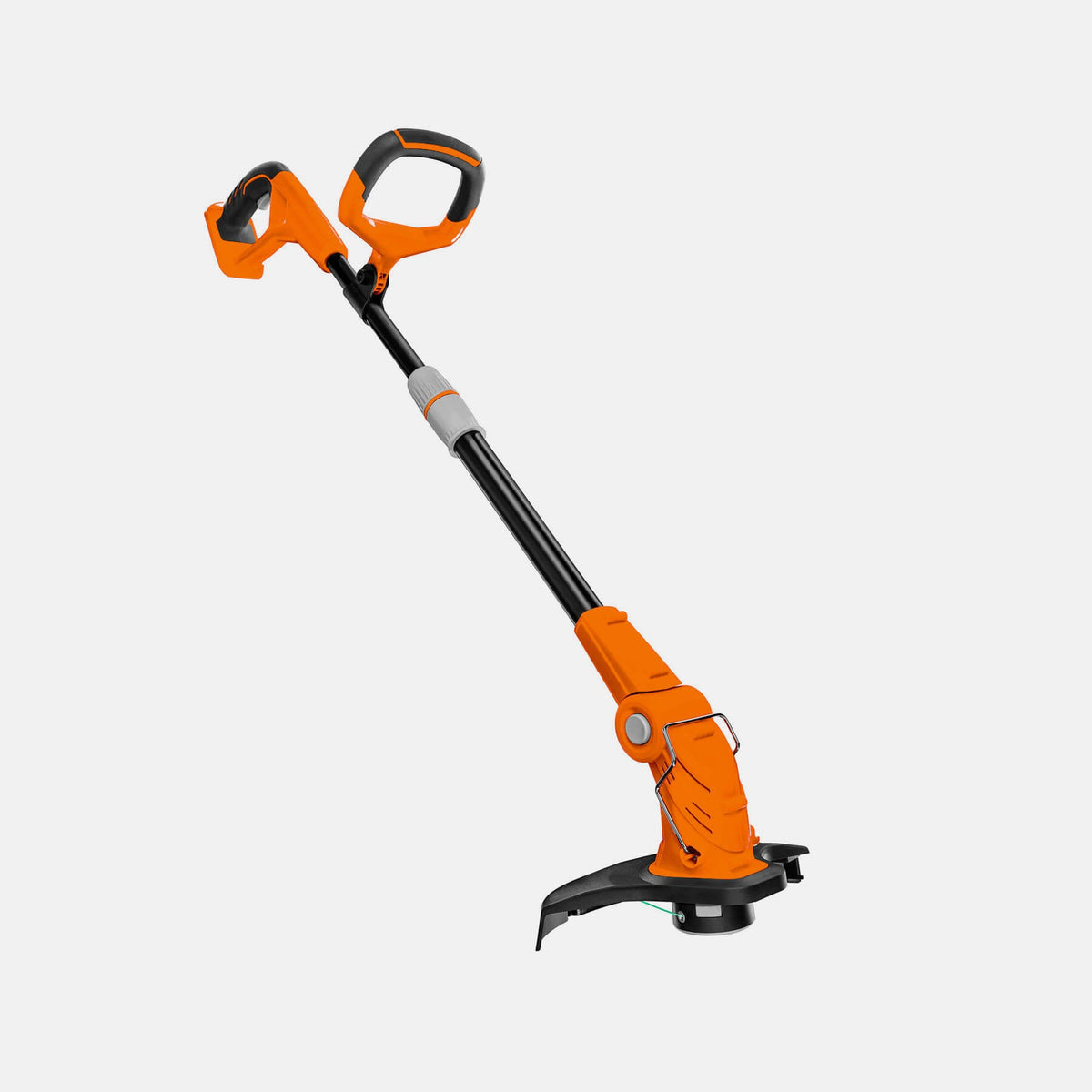


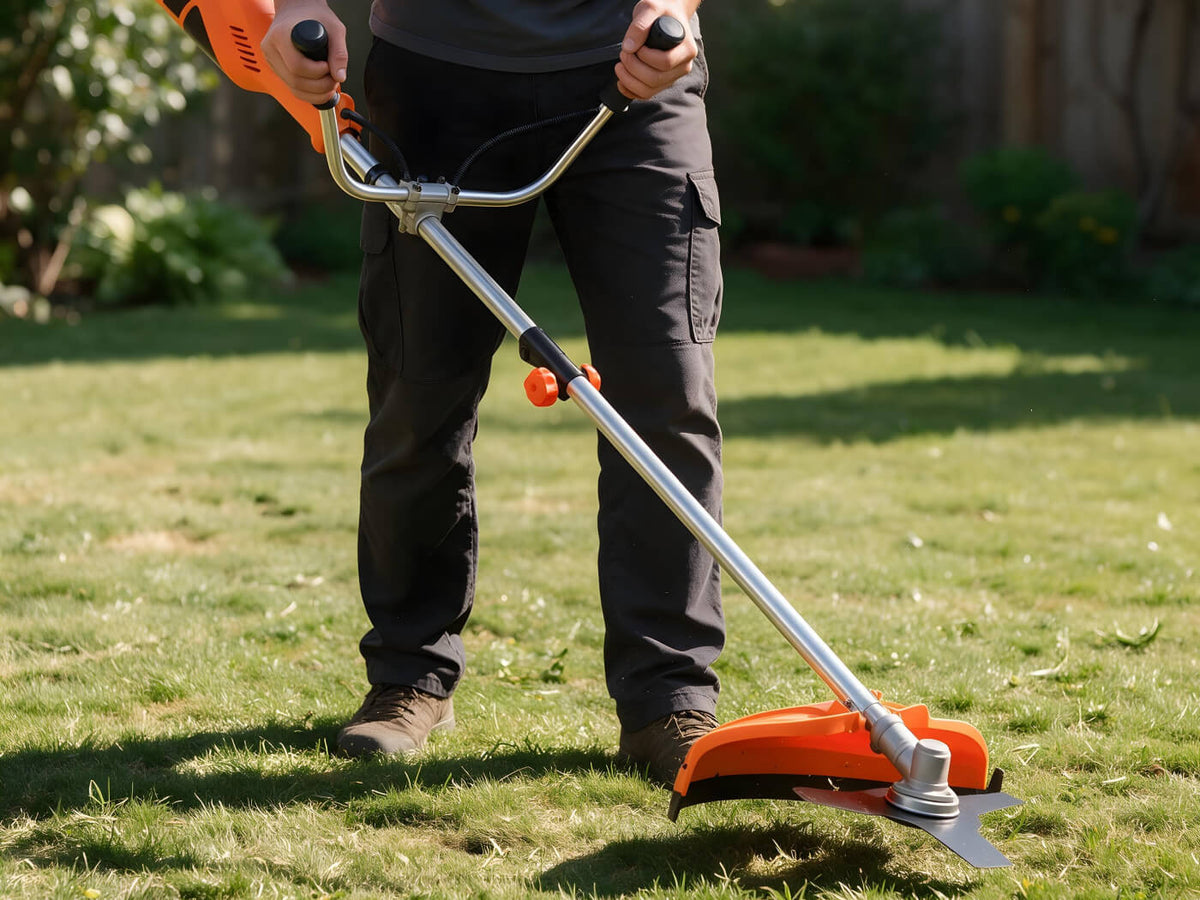
Garden tools are exposed to some of the toughest conditions around the home. Soil, moisture, grass, leaves, dust, and changing temperatures can gradually affect their condition.
A shovel that is left covered in wet soil can develop rust. Pruning shears can become difficult to operate when sap and debris build up around the blades. Lawn mower components can also accumulate grass and dirt during regular use.
The good news is that basic maintenance does not require complicated equipment. A few minutes of care after using your tools can help keep them clean, functional, and ready for the next job.
Clean tools after use
Cleaning is one of the simplest maintenance steps, but it is also one of the easiest to overlook.
Soil should be removed from shovels, spades, rakes, and other garden tools before they are stored. Wet dirt can hold moisture against metal surfaces and contribute to corrosion.
Cutting tools require particular attention. Sap and plant residue can remain on blades after trimming branches or shrubs. Wiping the blades clean after use helps prevent buildup.
For electric or battery-powered tools, always follow the manufacturer's cleaning instructions and keep electrical components away from unnecessary moisture.
Keep cutting blades sharp
Sharp cutting tools are easier to use and can produce cleaner cuts.
Pruning shears, hedge trimmers, mower blades, and other cutting equipment gradually become dull through normal use. The correct sharpening method depends on the specific tool, so follow the manufacturer's recommendations.
A dull blade can also make a job feel harder because more force may be required to achieve the desired result.
Prevent rust and corrosion
Metal garden tools should be stored dry whenever possible.
After cleaning, wipe moisture from metal surfaces before putting the tool away. Some tools may also benefit from an appropriate protective lubricant.
Pay particular attention to areas where water can collect, including joints, hinges, and exposed metal surfaces.

Check handles and fasteners
Maintenance is not only about cleaning metal components.
Wooden handles should be checked for cracks, splinters, or looseness. Plastic handles should be inspected for damage, while bolts, screws, and other fasteners should be checked periodically.
A small problem is usually easier to address before the tool is needed for a major gardening project.
Garden tool maintenance schedule
Tool |
Maintenance Task |
Suggested Timing |
| Pruning Shears | Clean, inspect, sharpen | After use / as needed |
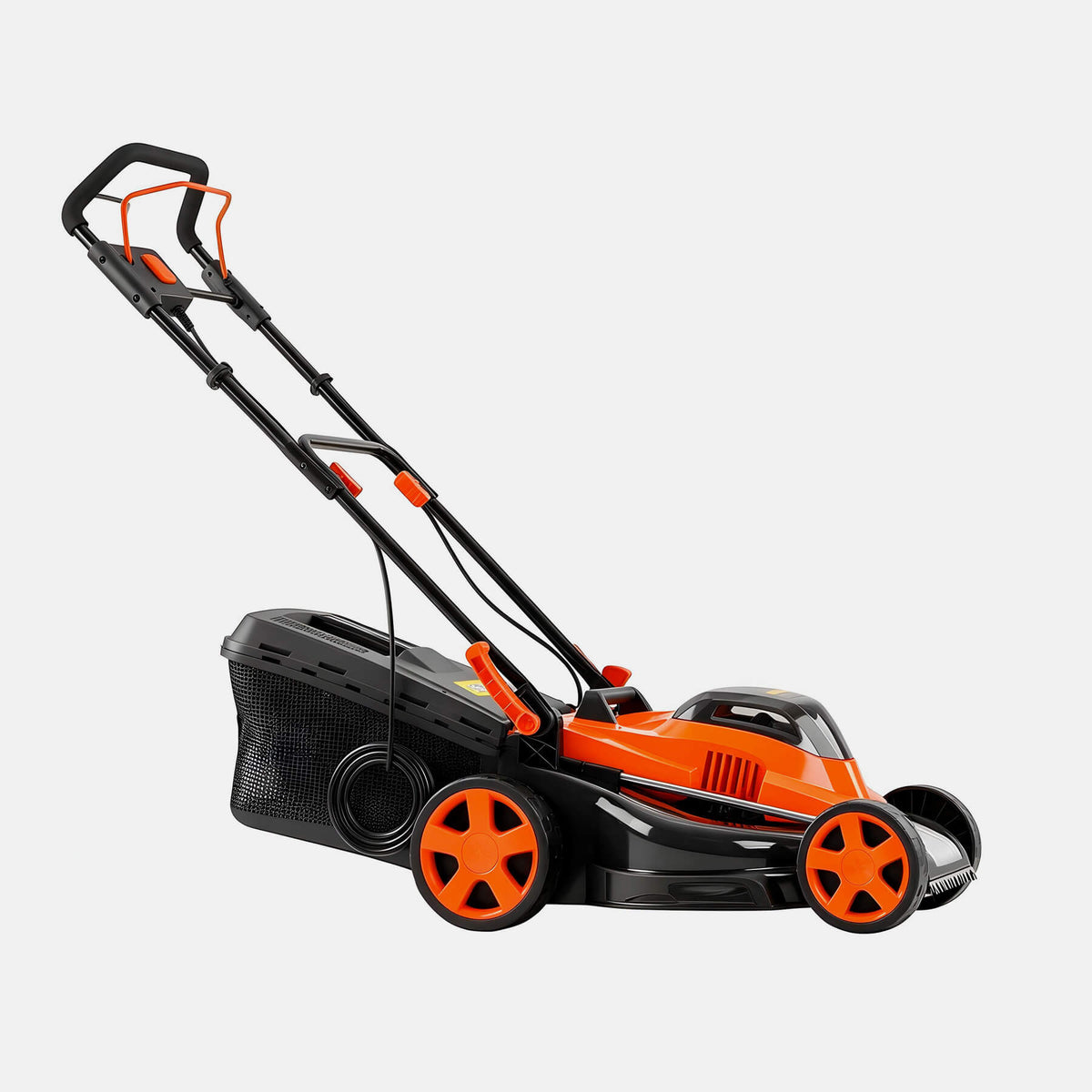
| Lawn Mower | Clean and inspect blade | Regularly |
| Hedge Trimmer | Clean cutting area | After use |
| Shovel | Remove soil and dry | After use |
| Rake | Clean debris | After use |
| Chainsaw | Inspect chain and guide bar | Before use |
Proper storage matters
Where you store your tools can have a significant impact on their lifespan.
A dry shed, garage, or dedicated storage area is preferable to leaving equipment outside. Hanging tools from hooks can keep them off the floor and make them easier to find.
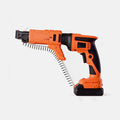
Battery-powered garden tools require additional attention. Batteries should be stored according to the manufacturer's recommendations and protected from unsuitable temperatures and moisture.
A simple maintenance routine
You can make maintenance part of the gardening routine:
- Remove dirt and plant material.
- Wipe the tool dry.
- Inspect for damage.
- Check moving parts.
- Sharpen cutting edges when required.
- Apply suitable lubricant where recommended.
- Store the tool in a dry location.
This process takes very little time when performed regularly.
A few minutes of maintenance after every job can save hours of frustration later.
Final Thoughts
Garden tools are an investment in your outdoor space. Keeping them clean, dry, sharp, and properly stored can help you get more consistent performance from them over time.
Good maintenance does not have to be complicated. The most important thing is consistency.




Comments2
Storage is definitely important. I used to leave everything in the shed on the floor, but hanging the tools keeps them much cleaner.
I started cleaning my pruning shears after every use and the difference is noticeable. They are much easier to use.