


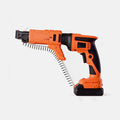

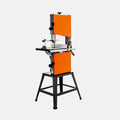










Power tools make construction, renovation, woodworking, and repair projects significantly faster. However, the same power and speed that make these machines useful also mean they need to be handled responsibly.
Good safety practices are not only for professional tradespeople. Anyone using a drill, grinder, saw, sander, or other powered equipment should develop basic safety habits before starting work.
The safest approach is to prepare your workspace, inspect your equipment, choose the correct accessories, and never rush a job.
1. Read the instructions before using a new tool
Every power tool has its own operating requirements. Even if you have used similar equipment before, take time to understand the controls, safety systems, recommended accessories, and limitations of the specific model.

Pay particular attention to information about maximum speed, compatible blades or discs, battery requirements, and protective guards.
Understanding how a tool is designed to work can help prevent incorrect use and unnecessary wear.
2. Wear appropriate protective equipment
Personal protective equipment should be selected according to the job.
Safety glasses are particularly important when drilling, cutting, grinding, or working with materials that can produce flying particles. Hearing protection can be useful when working with loud equipment for extended periods.
Depending on the project, you may also need suitable work gloves, protective footwear, or respiratory protection.
Basic Protective Equipment
Equipment |
Main Purpose |
Examples of Use |
| Safety Glasses | Protect eyes | Drilling, cutting |
| Hearing Protection | Reduce noise exposure | Grinders, saws |
| Work Gloves | Protect hands | General handling |
| Safety Footwear | Protect feet | Construction |
| Respiratory Protection | Reduce dust inhalation | Sanding, cutting |
3. Inspect the tool before every job
A quick inspection can identify problems before they become dangerous.
Check the power cable on corded equipment for cuts or exposed wires. For cordless tools, inspect the battery and contacts. Make sure guards are correctly installed and that blades, discs, and other accessories are not visibly damaged.
Never use an accessory simply because it fits physically. It must also be designed and rated for the tool and application.
4. Keep your workspace organized
A clean workspace is easier and safer to work in. Loose cables, scraps of material, tools, and other objects can create trip hazards or interfere with your movement.

Good lighting is equally important. You should be able to clearly see both the workpiece and the tool.
If you are working outside, check the ground conditions before starting. Wet or unstable surfaces can make it more difficult to maintain a secure working position.
5. Secure the material
Holding a workpiece with one hand while operating a power tool with the other is often unnecessary and can reduce control.
Whenever practical, use clamps, a workbench, or another suitable method to secure the material. This allows both hands to remain available for controlling the tool when appropriate.
A stable workpiece can also improve cutting and drilling accuracy.
6. Use the correct accessory
Different materials require different blades, discs, drill bits, and other accessories.
Using the wrong accessory can reduce performance and may damage both the tool and material. Always check that the accessory is appropriate for the intended application.
Keep cutting accessories sharp and replace damaged or excessively worn components.
7. Disconnect Before Maintenance
Always follow the manufacturer's instructions before cleaning, adjusting, or changing accessories.
For corded tools, disconnect the power supply. For cordless equipment, remove the battery when the design and manufacturer's instructions call for it.
Never assume that a tool is safe simply because the trigger is not being pressed.
Common Mistakes to Avoid
Some unsafe habits are surprisingly common:
- Working without eye protection
- Using damaged accessories
- Removing protective guards
- Wearing loose clothing near rotating equipment
- Leaving a running tool unattended
- Working in poor lightin
- Using a tool for an application it was not designed for
- Ignoring unusual vibration, noise, or overheating
If a tool suddenly behaves differently, stop working and investigate the problem rather than continuing.
Taking a few minutes to prepare is always better than taking unnecessary risks during the job.
Create a Simple Pre-Work Checklist
Before switching on a power tool, ask yourself:
- Is the tool in good condition?
- Is the correct accessory installed?
- Is the workpiece secure?
- Am I wearing appropriate protection?
- Is the workspace clean and well lit?
- Do I understand the operation I am about to perform?
This simple routine can become a natural part of your workflow.
Final Thoughts
Safety should be part of every project from the very beginning. Good preparation, suitable protective equipment, correct accessories, and proper tool handling can make your work more controlled and comfortable.
Whether you are a DIY enthusiast or an experienced professional, taking the time to work safely is always worthwhile!




Comments2
Good point about securing the material. It makes cutting much easier and the results are usually much cleaner.
Checking the tool before starting is something I learned after a few bad experiences. Now it is the first thing I do.