












Starting a DIY project is exciting, but having the right tools can make the difference between an enjoyable weekend project and a frustrating experience. Whether you are assembling furniture, renovating a room, building a deck, or simply taking care of repairs around the house, reliable power tools help you work faster and achieve better results.
The good news is that you do not need a professional workshop filled with dozens of machines. A small collection of versatile power tools can handle a surprisingly large number of everyday tasks. The key is understanding what each tool is designed to do and choosing equipment that matches your projects.
Start With the Projects You Actually Do
Before buying a new tool, think about the type of work you normally perform. Someone who mostly assembles furniture will have very different requirements from someone who builds wooden structures or works with metal.
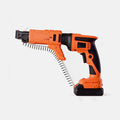
For example, a cordless drill is useful for almost every homeowner. It can drill holes, drive screws, assemble furniture, install shelves, and perform many other basic tasks. A circular saw, on the other hand, becomes more useful when you regularly work with boards, plywood, or other sheet materials.
It is also worth considering how frequently you will use a particular tool. Buying the most powerful model available is not always necessary for occasional DIY work. For many homeowners, versatility, comfortable handling, battery life, and reliability are more important than maximum power.
Essential Power Tools for Every Workshop
If you're setting up your first workshop, start with these essential tools:
- Cordless Drill: Perfect for drilling holes and driving screws.
- Circular Saw: Ideal for cutting wood and sheet materials.
- Angle Grinder: Useful for cutting, grinding, and polishing.
- Jigsaw: Great for curved and detailed cuts.
- Random Orbital Sander: Helps achieve smooth surfaces.
Which Tool Do You Need?
Tool |
Main Purpose |
Best For |
| Cordless Drill | Drilling and fastening | Furniture, repairs |
| Circular Saw | Straight cutting | Woodworking |
| Angle Grinder | Grinding and cutting | Metal, stone |
| Jigsaw | Curved cutting | DIY projects |
| Sander | Surface finishing | Wood finishing |
Tips Before Buying
- Choose tools with comfortable handles.
- Check battery compatibility.
- Consider power and performance.
- Look for safety features.
- Choose equipment from reliable manufacturers.
The right tool doesn't just make the job easier — it makes the final result better.
Final Thoughts
You don't need dozens of tools to get started. A carefully selected collection of versatile equipment will help you handle most everyday projects.




Kommentare2
I agree about buying tools gradually. I used to buy equipment just because it looked useful, but half of it stayed in the box.
I recently started building my own workshop and this helped me decide which tools to buy first. The cordless drill was definitely the right starting point.