












Cordless vs. corded power tools: which one fits your workshop?
When choosing a new power tool, one of the first decisions is whether to buy a cordless or corded model. Both types have a place in modern workshops, and the right choice depends largely on where and how you work.
Cordless technology has developed considerably in recent years. Modern batteries can provide substantial runtime and allow users to work without extension cords. At the same time, corded tools remain useful for applications where continuous operation and a constant power supply are important.
Understanding the differences can help you choose equipment that fits your working style.
The advantages of cordless tools
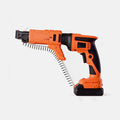
The biggest advantage of cordless equipment is freedom of movement. Without a power cable, you can move around a construction site, garden, garage, or workshop without worrying about where the nearest outlet is located.
This can be especially convenient for outdoor projects. Installing a fence, assembling a garden structure, or carrying out repairs away from the house is often easier with battery-powered equipment.
Cordless tools can also make a workspace more organized because there are fewer cables running across the floor.
Main advantages
- Excellent mobility
- Easy to transport
- No extension cable required
- Convenient for outdoor work
- Quick to set up
- Useful in areas without nearby outlets
However, batteries introduce another consideration: runtime.
The actual operating time depends on the tool, battery capacity, material, workload, and operating conditions. For demanding projects, having a spare battery can help reduce interruptions.
The advantages of corded tools
Corded equipment receives power directly from an electrical outlet. This means you do not have to stop working because a battery needs charging.
For stationary workshop tasks, this can be a major advantage. If you are sanding, cutting, or grinding for an extended period, continuous power allows you to work without monitoring battery capacity.
Corded tools can also be attractive for users who do not want to invest in a battery platform.
Cordless vs. corded
| Feature | Cordless Tools | Corded Tools |
| Mobility | Very high | Limited by cable |
| Power Source | Rechargeable battery | Electrical outlet |
| Runtime | Battery-dependent | Continuous |
| Setup | Quick | Requires power connection |
| Outdoor Use | Very convenient | Requires suitable power access |
| Long Jobs | May require spare batteries | Continuous operation |
| Portability | Excellent | Moderate |
Think about your working environment
The location of your projects should play a major role in your decision.
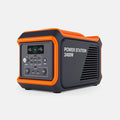
If you regularly work outdoors or move between different areas, cordless equipment may be more convenient. There is no need to move an extension cord or locate a suitable power outlet.
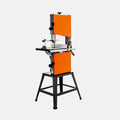
If most of your projects take place in a workshop, corded equipment can be practical. A permanent workbench with accessible electrical outlets makes cable management much easier.

Battery platforms can make a difference
If you choose cordless tools, consider whether several tools can use the same battery platform.
A compatible system can allow one set of batteries to work with multiple tools. For example, the same battery family may power a drill, impact driver, circular saw, and garden tool.
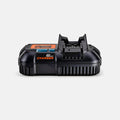
This can reduce the number of chargers and batteries you need to store.
Before buying, check compatibility carefully. Batteries are not universally interchangeable between manufacturers or even between different product ranges.
How to choose
Ask yourself several simple questions:
- Where will I use the tool most often?
- How long do my typical projects take?
- Do I have convenient access to electricity?
- Do I already own compatible batteries?
- Will I need to carry the tool between locations?
- Is continuous operation important?
The answers will usually make the choice much clearer.
The best power source is the one that fits the way you work.
A practical workshop strategy
Many people do not need to choose only one type. A workshop can benefit from a combination of cordless and corded equipment.
For example, a cordless drill can be ideal for general repairs and installation work, while a corded sander may be used for long finishing sessions.
The goal is not to choose one technology for every situation. Instead, build a tool collection around the jobs you actually perform.
Final thoughts
Cordless tools provide freedom and flexibility, while corded tools provide continuous power. Neither option is automatically suitable for every project.
Think about your workspace, typical job duration, portability requirements, and existing equipment before making a purchase. A well-planned tool collection can include both types and give you flexibility for different projects.




التعليقات2
I still prefer corded equipment for long sanding jobs. I don’t want to stop every hour to change a battery.
“I switched most of my hand-held tools to cordless because I work in different locations. The biggest benefit for me is not having to carry extension cables.